Iran Bids Farewell to Khamenei with Political Spectacle
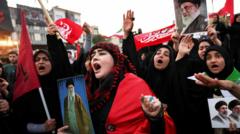
A three-day mourning period in Tehran culminated in a grand procession for the late supreme leader Ayatollah Ali Khamenei, with millions attending the funeral procession. This event, designed to convey political messages of resistance and defiance, was one of the largest public gatherings in recent years.
Monday's procession, which was part of a series of carefully planned funeral events, saw the coffins of Khamenei and four family members transported along a 10-kilometer route. The crowd chanted slogans of "death to America" and "death to Israel," reflecting the political undertones of the ceremony.
Economic Struggles and Public Sentiment
Despite the large turnout, many citizens chose not to participate, citing economic hardships and discontent with the government's recent actions. Iran has been grappling with high inflation rates and the aftermath of anti-government protests. Some blame Khamenei for the harsh security measures that resulted in numerous casualties.
A man near one of Tehran's rest stations expressed his grievances, noting the widespread unemployment and dissatisfaction among the populace.
Commemorations and International Reactions
The funeral events continue at significant Shia Muslim sites, with the final burial scheduled at the Imam Reza Shrine in Mashhad. The ceremonies aim to portray Khamenei as a figure of religious and political authority beyond Iran's borders.
Iranian President Masoud Pezeshkian defended the mourning public against claims of insincerity by foreign leaders, emphasizing the genuine grief felt across the nation.
Legacy and Leadership Transition
Opinions on Khamenei's legacy vary, with some viewing him as a preserver of a revolution that no longer fits today's world. The transition to Iran's new supreme leader, Mojtaba Khamanei, who has yet to make a public appearance since the air strikes that killed his father, marks the beginning of a new era.
Concerns over his safety persist, amid threats from foreign entities. Meanwhile, the new leadership faces economic challenges and potential diplomatic negotiations to alleviate sanctions.
Symbolism and Future Uncertainty
The funeral was marked by potent symbols, including a towering statue of a clenched fist in Revolution Square, symbolizing defiance against perceived external and internal threats.
As Iran navigates this transition, the nation remains at a crossroads, balancing between honoring its past and addressing the pressing issues of the present.
Source: Original Article